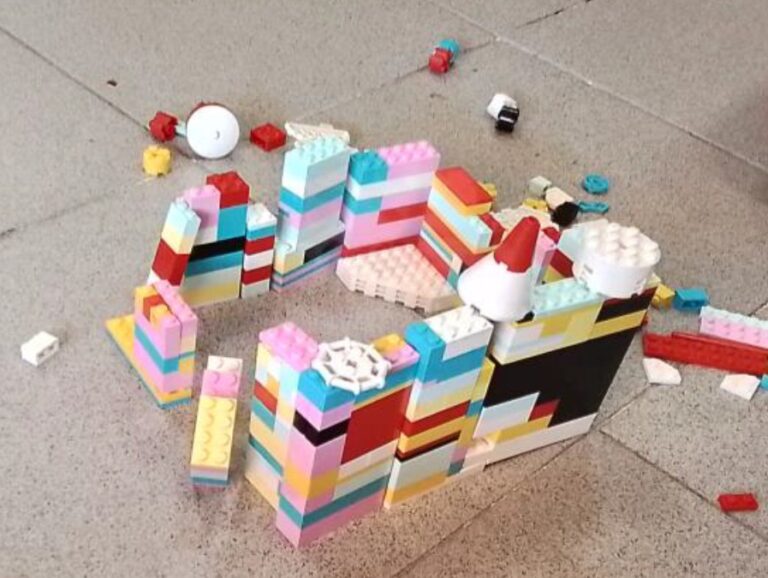
Computational Thinking should be progressively developed from the earliest stages of education, promoting its integration into different curriculum areas. In this context, the present teaching proposal is framed within the third cycle of Primary Education and presents a practical experience that combines the learning of historical content with the development of CT skills, such as
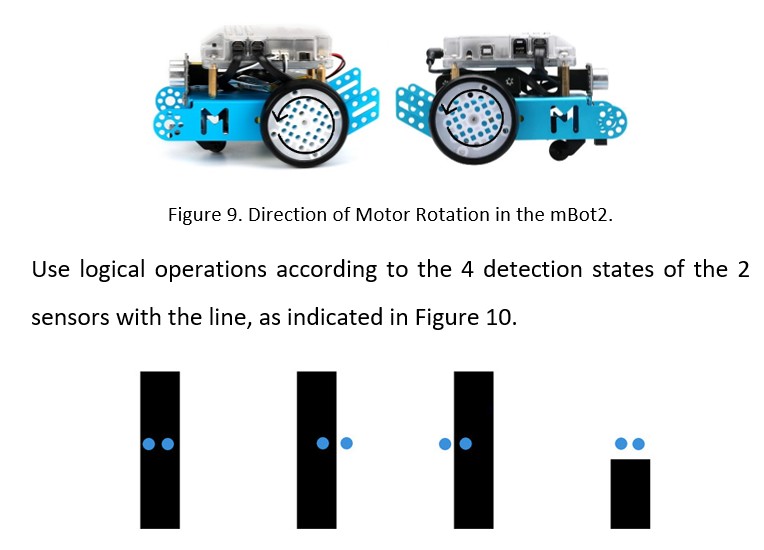
The study examines the importance of Computational Thinking (CT) in the educational context, particularly in developing competencies among secondary school students. It highlights how CT can help overcome educational barriers and promote inclusion, although challenges persist for students with special educational needs. The main objective is to demonstrate the effectiveness of CT, applied through robotics
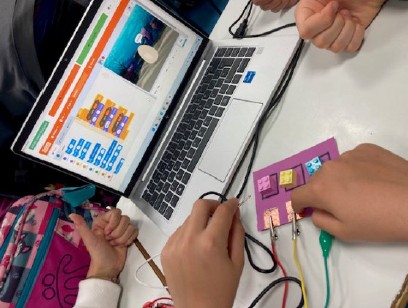
The “Multiples Calculator” activity combines mathematical concepts with programming using circuit boards, electrical circuits, and their connections. This activity is designed for students aged 10 and above, specifically those in the third cycle of Primary Education, starting from 5th grade. It is planned to be carried out over three 1-hour sessions. The activity can be
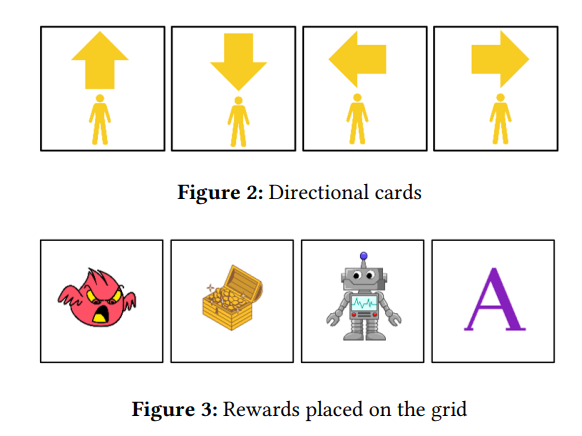
Gamarra-Expósito, A., Martín-Barroso, E., & Zapata-Cáceres, M. (2025). Integrating Programmable Robots to Foster Computational Thinking in Early Childhood Classrooms. Proc. Special Issue on Innovations and Applications of Educational Robots and Robotics (EduRobotX SIG, EATEL), CEUR-WS EduRobotX.
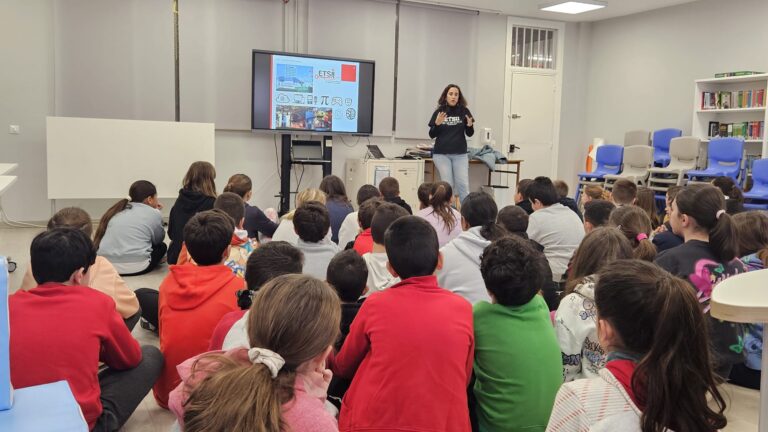
As part of the CoTEDI project, we also carry out diverse dissemination and awareness-raising actions that fall outside the scope of classroom-based activities or formal training. These include one-off school visits to give talks on computational thinking, presentations in teacher conferences, contributions to educational fairs, or public demonstrations of our resources. Although these sessions are
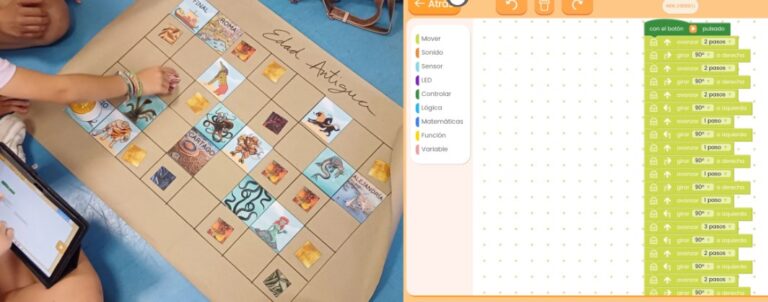
As part of the CoTEDI project, we have developed complete educational programmes that go beyond isolated activities. Each programme includes implementation guides, teacher protocols, and adaptations for students with special needs. Designed and tested in real classrooms, they offer practical, inclusive, and effective ways to foster computational thinking through structured, ready-to-use content.
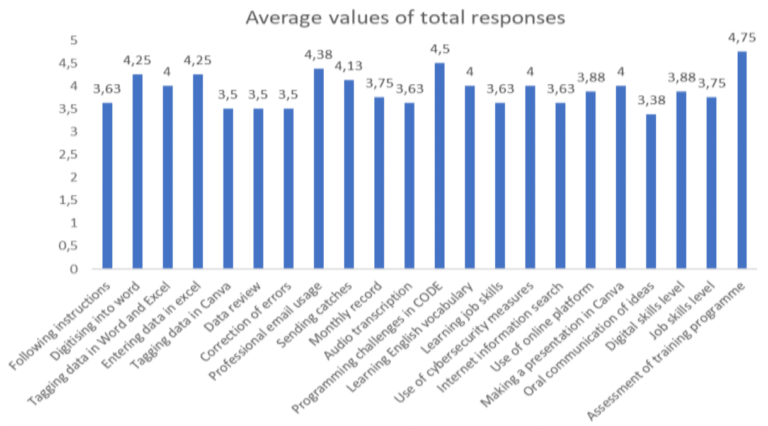
Integrating Computational Thinking (CT) with Artificial Intelligence (AI) could enable individuals with intellectual disabilities to navigate an increasingly digital society inclusively. This study examines how CT, applied to Spanish students with intellectual disability (ID), can reduce the digital divide and enhance employability while exploring AI’s role in this process. A qualitative research program analyzed observable
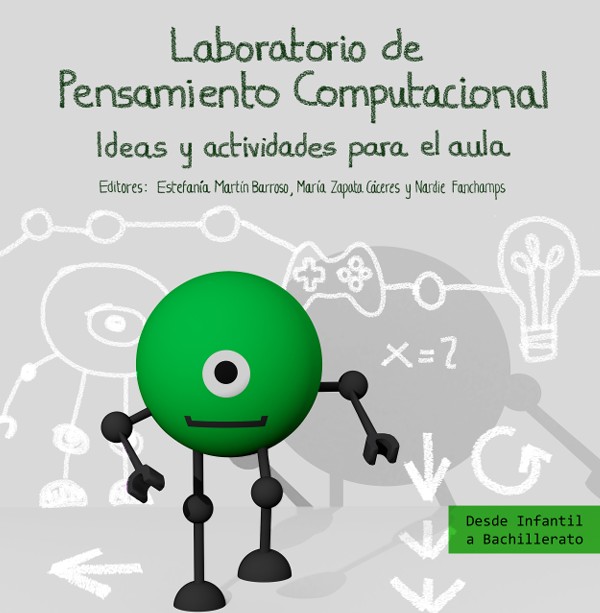
Offers ready-to-use, stage-by-stage activities—ranging from unplugged games and robotics to programming exercises and educational apps—to cultivate core computational thinking skills from early childhood through secondary school. Grounded in research and real-classroom trials, it includes inclusive strategies, validated assessment tools, and practical guidance for seamless CT integration across subjects, empowering teachers to prepare students for our

These Designed Activities are innovative, ready-to-use computational thinking exercises that have been carefully crafted and tested by our team. Each activity includes detailed instructions, learning objectives, and extension ideas, allowing educators to seamlessly integrate them into their curriculum. Whether unplugged challenges, hands-on projects, or digital explorations, these modules offer flexible, scalable ways to engage students